Happy Valentine’s Day



The truth is that so much of what happens to us in our lives is beyond our control…So, how do we fight anxiety?
So, how do you get away from the constant stress that not being in complete control can leave you in? It’s an easy thing to say, but a difficult thing to do: You have to let your worries go. You have to focus on what you can change (you) and what you can’t change (everything else). Try these simple tips and see if it helps. You can always schedule a session with a therapist and go over your options and see if she/he can further help you. http://www.shushantherapy.com
Mindfulness – Grounding exercises: noticing your environment, bodily sensations, and breath
Progressive Muscle Relaxation – Creating a Tension and Release effect with all the muscles in the body
Opposite Actions – By listening to calming music, taking a walk, talking, enjoying sunshine
Safe Place Mental Imagery – Visualizing a place where you can go in your mind to feel safe. This is a form of meditation.
Calming Affirmations – To help recognize that the moment of panic will pass. Self talk is big with anxiety. Mentally talking to yourself and keeping yourself calm.
Exercise – A valuable way to exhaust excess adrenaline built up in the body


For some, the holidays represent a time of love, family and celebration. For others the holiday season may spark an overwhelming feeling of stress and depression. There are many factors that contribute to holiday depression: Self esteem, financial issues, unemployment, memories of deceased loved ones, relationship status, loneliness and much more. So, how do we minimize holiday blues?
If you find yourself feeling overly fatigued, frustrated, lonely, sad, or wanting to be isolated, there’s a good possibility you are suffering from holiday blues. This is a period of depression and will usually go away after the holiday or winter season, but should still be taken very seriously! If your feelings become too overwhelming, talk to a therapist to figure out your options.

Many research studies have shown that when people receive appropriate mental health care, their use of medical services declines. People with untreated mental health problems visit a medical doctor twice as often as people who receive mental health care. For example, let us look at anxiety. Excessive anxiety and stress can contribute to physical problems such as heart disease, ulcers, and colitis. Anxiety and stress can also reduce the strength of the immune system, making people more vulnerable to conditions ranging from the common cold to cancer. Read More


Love has been defined in various ways and I am curious as to how you would define it. Please feel free to comment and/or send me a private message on your thoughts. But for now, according to science, love is more than just a unique feeling. There is evidence that when we are involved in loving relationships various neurotransmitters and hormones in our bodies play a role that affect us systemically. Read More

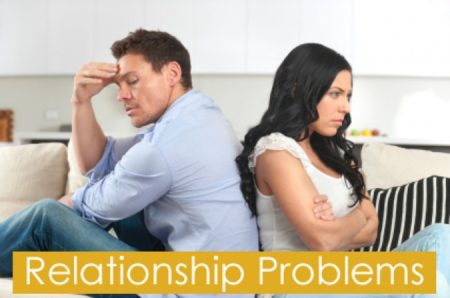
Valentine’s Day is around the corner. It is suppose to be happy times for you and your partner however, things are going worse and worse day to day. That love you had towards your partner is becoming annoyance, hate, anger… 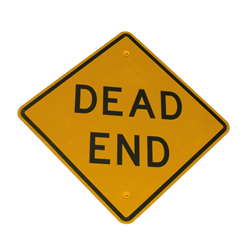
Is it a dead end to your relationship or can you save it? Try exploring these 4 red flags and if all or most apply to you, I suggest contacting a therapist to give you a helping hand.

Do you feel your conversations are becoming shorter and shorter? That’s not a good sign. Here are some things to look for when you and your partner are exchanging words.
a) Bitter Language: This is when unconsciously or consciously you or your partner use words that are offensive or words that project accusation and criticism.
b). Negativity: This occurs when majority of your talks are negative. You only speak to one another when there is something negative to point out. You only see the flaws of your partner and fail to recognize the positive traits and actions.
c). Not Letting Go: You hold on to arguments and negative experiences however, you tend to forget the positive and happy moments in your relationship. When the right time comes, you use the past against your partner. Read More

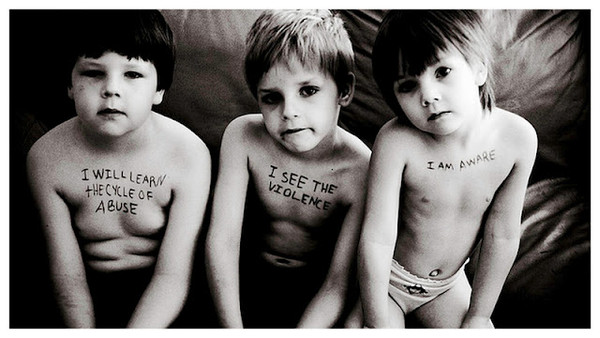
Watch this short video to learn about the effects of domestic violence on children. Understand the signs and symptoms children may exhibit, what type of support they need, and how to prevent trauma.

Symptoms of Depression
Depression varies from person to person, but there are some common signs and symptoms. Read below to learn about some signs of depression and so that you know when it’s time to seek help.

Depression makes it tough to function and enjoy life like you once did. Just getting through the day can be overwhelming. But no matter how hopeless you feel, you can get better. Understanding the signs, symptoms, causes, and treatment of depression is the first step to overcoming the problem.

https://www.youtube.com/watch?v=bb0a7xb84FQ
Watch this short clip to learn about signs of a possible abusive relationship and what you need to do if you are a victim of domestic violence.
Domestic violence victims face high rates of depression, sleep disturbances, anxiety, flashbacks, and other emotional distress. The first step in getting help is to tell someone you trust. Do Not wait. Speak up against domestic violence.
It can be hard to recognize or admit that you’re in an abusive relationship — but help is available.
Sincerely Yours,
Shushan