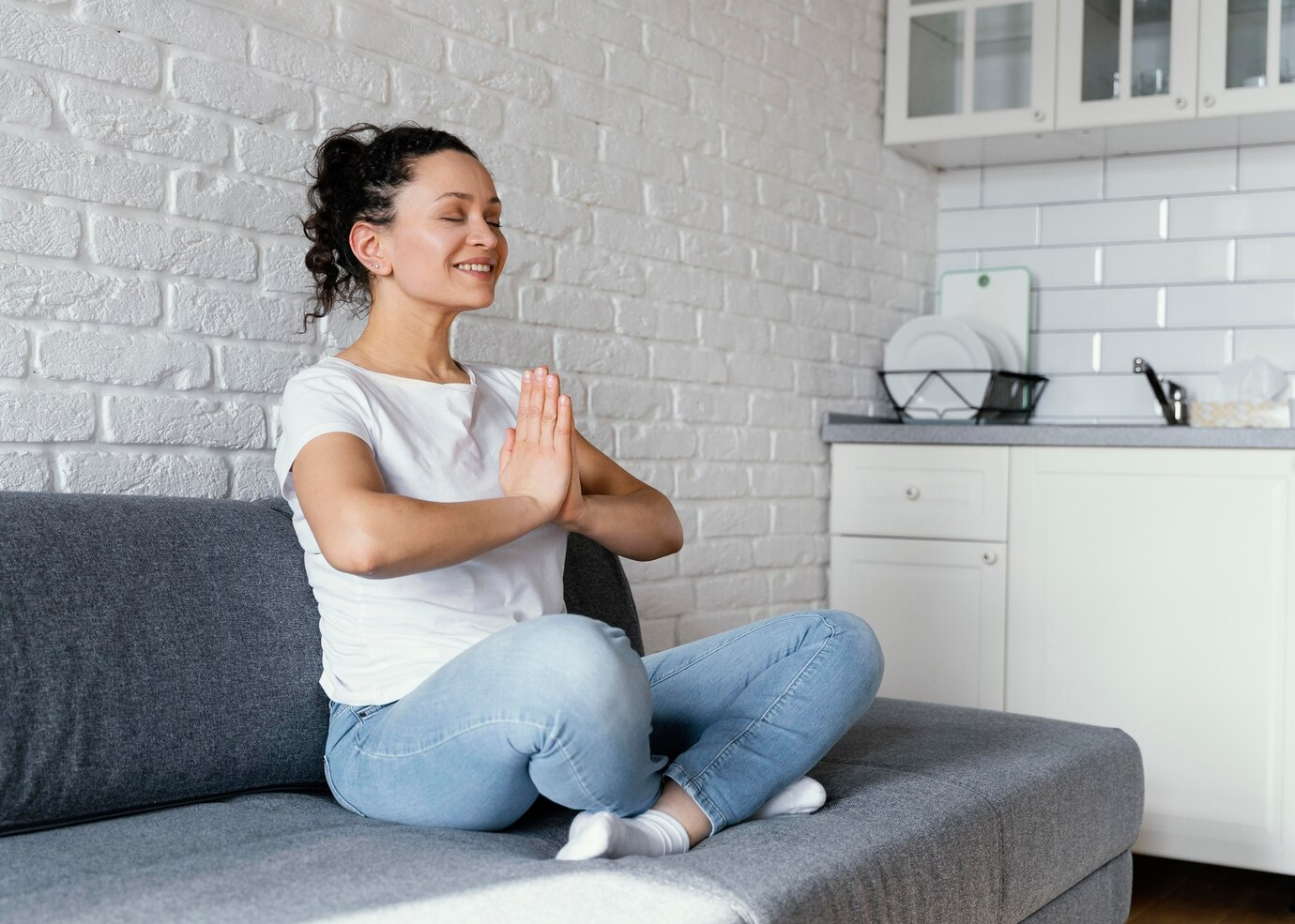
Small, Human Ways to Care for Your Mind Every Day
Image: Freepik
Mental and emotional wellness is something every person navigates, often quietly, amid routines that leave little room to pause. The good news is that support doesn’t have to be dramatic or disruptive to be effective. Subtle, intentional practices woven into everyday life can gently stabilize mood, improve self-awareness, and create moments of calm that accumulate over time.
Takeaways
- Wellness grows from small, repeatable actions rather than big overhauls.
- Creative expression can regulate emotions even when words feel hard to find.
- Professional support is a proactive choice, not a last resort.
- Structure and rhythm help the nervous system feel safe and grounded.
- Consistency matters more than intensity.
Reframing Ordinary Moments as Emotional Support
Wellness often hides in plain sight. Washing dishes can become a grounding ritual when attention shifts to sensation and breath. A short walk can double as emotional processing time if you allow thoughts to surface without judgment. These moments work because they lower stimulation and invite presence, giving the mind space to reset.
Another overlooked strategy is emotional labeling. Quietly naming what you feel—tired, tense, hopeful—can reduce its intensity and increase clarity. This simple habit builds emotional literacy, which strengthens decision-making and resilience over time.
Creativity as a Gentle Outlet
Creative activity doesn’t require talent or training to be therapeutic. Sketching shapes, arranging photos, or experimenting with digital visuals can help externalize feelings that are difficult to articulate. The act of making something shifts attention away from rumination and toward exploration.
Many people now use AI tools as a low-barrier way to engage creativity without performance expectations. These platforms make it easy to experiment visually, offering immediate feedback that can feel rewarding rather than demanding. By typing descriptive phrases that reflect mood or imagery, users can generate unique visuals. Check this out to mirror internal states and encourage calm focus.
Checking in Every Day
If you want something concrete to try, here’s a simple practice that fits into almost any day:
- Choose one daily activity you already do, like making coffee or commuting.
- Slow it down slightly and focus on physical sensations for one minute.
- Name one emotion you’re carrying without trying to fix it.
- End by setting a gentle intention, such as “be patient” or “stay curious.”
- Repeat daily for a week and notice subtle shifts in mood or awareness.
Comparing Everyday Wellness Supports
Different approaches serve different emotional needs, and many people benefit from combining them.
| Support type | Best for | Key benefit |
| Mindful routines | Daily regulation | Builds consistency and calm |
| Creative expression | Emotional release | Externalizes feelings safely |
| Physical movement | Stress relief | Regulates energy and mood |
| Professional therapy | Deeper challenges | Personalized coping tools |
Professional Guidance as Preventive Care
Everyday strategies are powerful, but professional support adds depth and direction. Working with a licensed therapist helps translate awareness into lasting change by identifying patterns that are hard to see alone.
For those seeking personalized emotional care, therapeutic guidance from Shushan Khachatryan, LMFT, focuses on building practical coping skills and navigating emotional challenges with intention. Therapy framed as proactive wellness emphasizes growth rather than crisis management. Over time, this support can deepen self-understanding and foster resilience that extends into daily life.
Mental and Emotional Wellness FAQs
If you’re considering how to support your mental and emotional wellness more intentionally, these questions often come up.
How do I know which wellness practices are right for me?
Start by noticing what leaves you feeling steadier rather than drained. Practices that align with your personality and schedule are more likely to stick. You can always adjust based on how your body and mood respond over time.
Is therapy only for people in crisis?
Therapy is not limited to emergencies or severe distress. Many people use it to build skills, improve relationships, or gain clarity during life changes. Early support can prevent issues from becoming overwhelming later.
How often should I practice emotional wellness habits?
Consistency matters more than duration or intensity. Even five minutes a day can create noticeable benefits when practiced regularly. Think in terms of routines rather than one-off efforts.
Can creative activities really improve emotional health?
Creative expression helps process emotions by engaging different parts of the brain than verbal thinking. This shift can reduce stress and promote insight. The key is focusing on the process, not the outcome.
What if I don’t feel immediate results?
Emotional wellness changes are often gradual and subtle. Progress may show up as improved reactions, better sleep, or increased patience. Give practices time before deciding whether they’re effective.
Should I combine self-care with professional support?
Many people find the best results come from using both. Self-care builds daily stability, while therapy offers deeper guidance and accountability. Together, they create a balanced approach to long-term wellness.
Closing Thoughts
Supporting your mental and emotional wellness doesn’t require perfection or constant effort. It grows through small, intentional choices repeated over time. By blending everyday practices, creative outlets, and professional guidance when needed, you create a system that adapts as life changes. The result is not constant happiness, but steadier ground beneath your feet.’
Article contributed by:
Jennifer Scott exclusively for www.shushantherapy.com